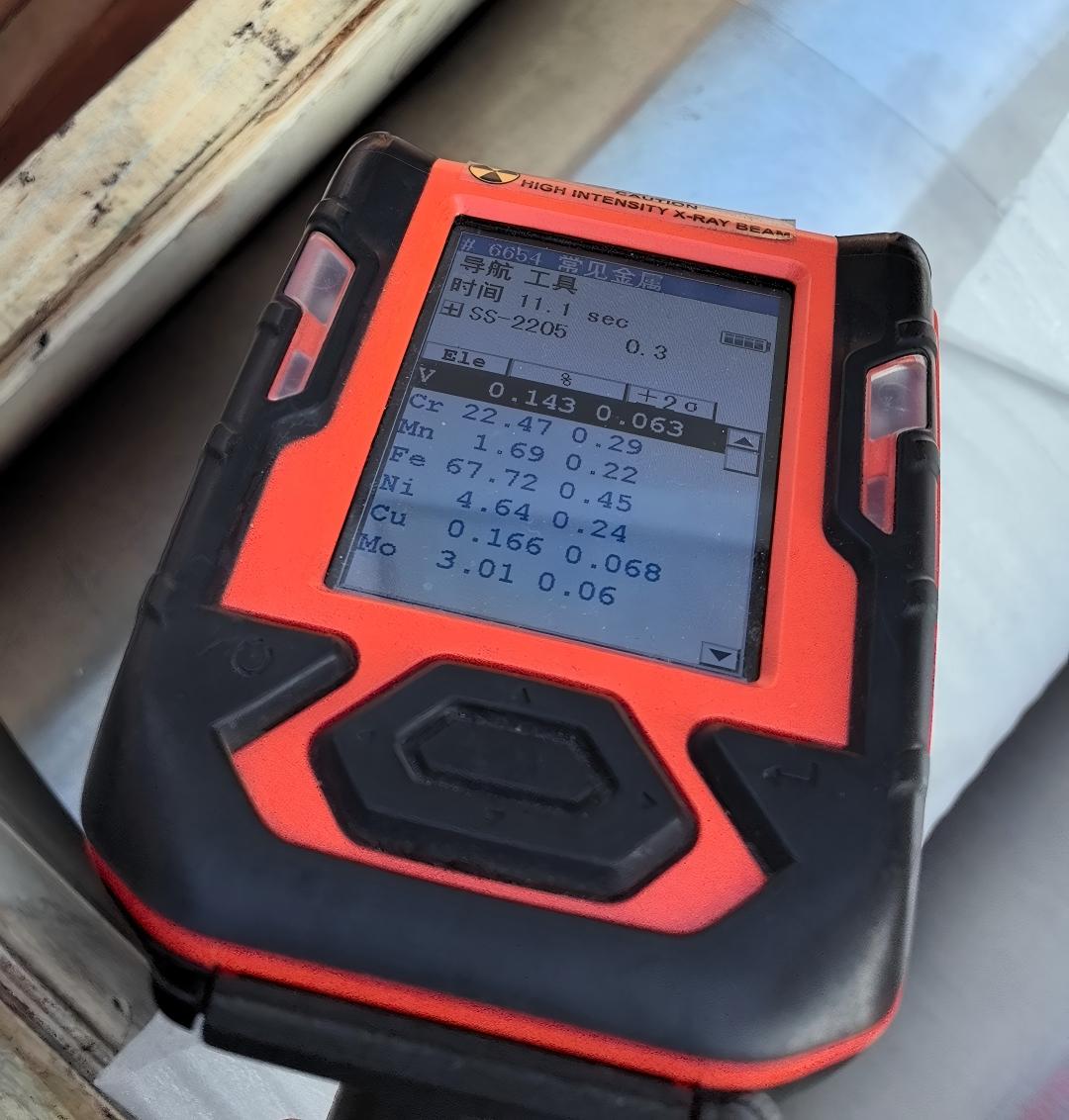
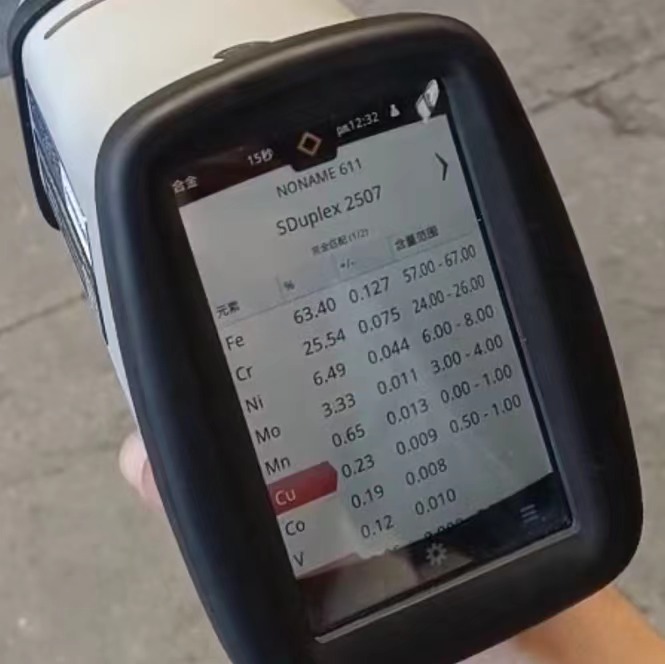
High-temperature alloy steel pipes are critical materials in modern energy and chemical industries. These pipes are designed to withstand extreme operating conditions including high heat, high pressure, and corrosive environments. Without these advanced alloys, the safe and efficient operation of power plants, oil refineries, chemical reactors, and petrochemical facilities would not be possible.
Key Properties of High-Temperature Alloy Steel Pipes
To meet industrial demands, high-temperature alloy pipes must maintain mechanical strength and chemical stability under severe conditions.
| Property |
Importance in Energy/Chemical Industry |
| High Yield & Tensile Strength |
Resists deformation under high pressure |
| Oxidation Resistance |
Prevents scaling at elevated temperatures |
| Corrosion Resistance |
Protects against acids, chlorides, H2S |
| Creep Resistance |
Maintains shape and strength over time |
| Weldability |
Allows fabrication of complex systems |
Applications in Energy Industry
1. Power Generation (Thermal & Nuclear)
Boiler tubes and superheater systems use Alloy 625 and Inconel 600, ensuring long-term stability in steam at >600°C.
Nuclear plants rely on Alloy 718 for its outstanding creep resistance and high tensile strength.
2. Oil & Gas Refining
Monel 400 is widely used in crude oil distillation equipment due to excellent resistance to sulfuric and hydrofluoric acids.
Hastelloy C-22 pipes are applied in environments containing oxidizing agents and chloride-rich fluids.
3. Petrochemical & Chemical Industry
Incoloy 825 provides strong resistance to phosphoric and sulfuric acids, making it ideal for acid production plants.
High-temperature alloy pipes ensure safe transport of aggressive chemicals at pressures exceeding 25 MPa.
| Alloy Grade |
Key Features |
Typical Applications |
| Monel 400 |
Nickel-copper, excellent acid resistance |
Oil refining, marine pipelines |
| Inconel 600 |
High strength, oxidation resistance |
Steam generators, furnace tubing |
| Inconel 625 |
Superior corrosion and fatigue resistance |
Offshore oil rigs, chemical reactors |
| Incoloy 825 |
Acid-resistant, excellent toughness |
Acid handling equipment, heat exchangers |
| Hastelloy C-22 |
Outstanding pitting and crevice resistance |
Chlorine-related chemical processing |
| Inconel 718 |
High tensile & creep resistance up to 700°C |
Jet engines, gas turbines, nuclear systems |
Challenges in Application
Despite their advantages, high-temperature alloy steel pipes face several challenges:
Cost Factor – Nickel-based alloys are expensive due to high raw material costs.
Fabrication Difficulty – Special welding and machining techniques are required.
Corrosion under Combined Stress – Environments with both chlorides and high temperature accelerate material degradation.
Supply Chain Risks – Limited global suppliers increase lead times and price volatility.
Future Trends
Advanced Alloy Development – Research is ongoing to enhance creep and corrosion resistance beyond current grades.
Additive Manufacturing (3D Printing) – Enables customized production of alloy pipes with optimized microstructure.
Green Energy Transition – As hydrogen and renewable energy grow, alloys will need to adapt to new corrosive and high-temperature environments.
Conclusion
High-temperature alloy steel pipes are indispensable for the energy and chemical sectors, offering unmatched performance in harsh environments. Alloys such as Monel 400, Inconel 600/625, Incoloy 825, Hastelloy C-22, and Inconel 718 ensure durability, reliability, and safety under extreme conditions. Although cost and processing challenges remain, the demand for these alloys will continue to rise as industries push boundaries of efficiency, safety, and sustainability.