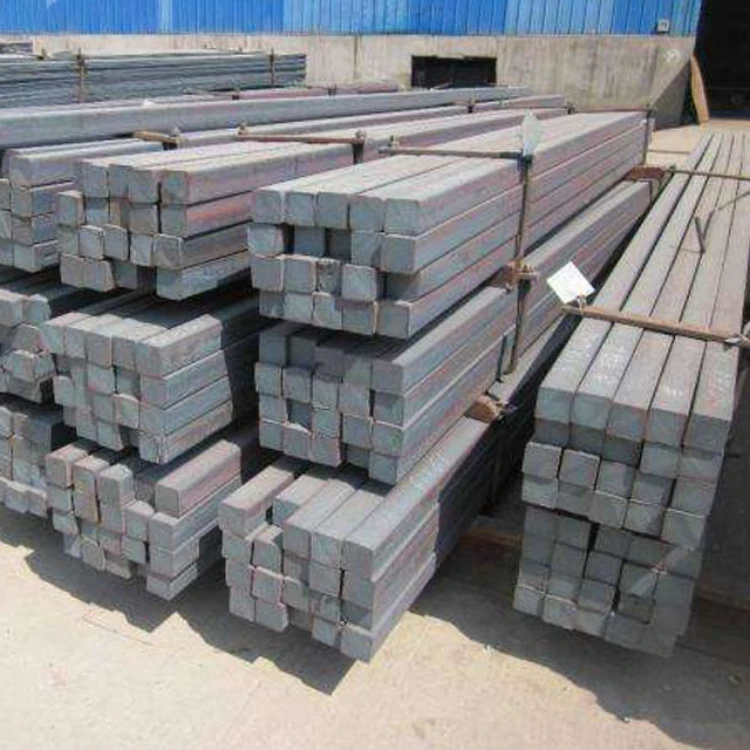
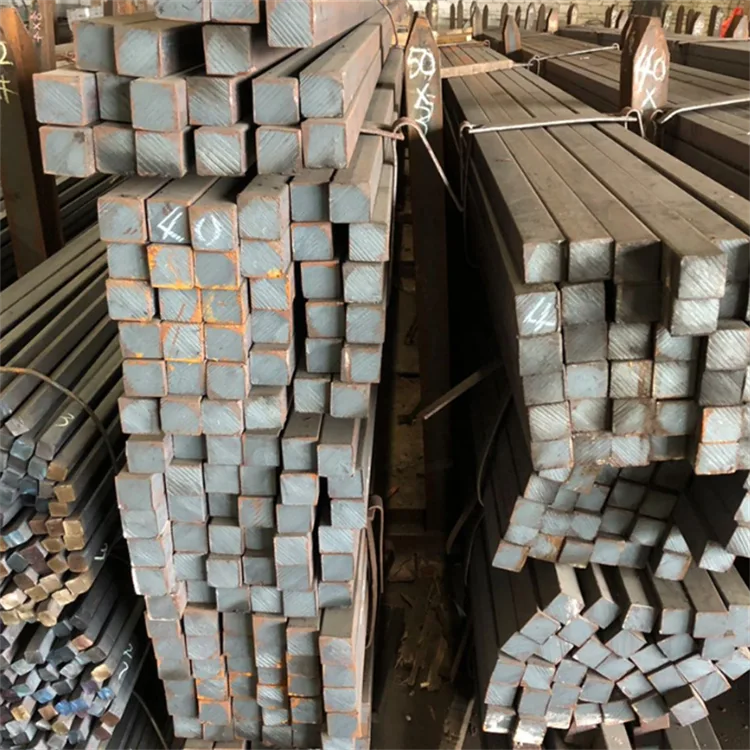
Square-section metal bars are widely used in industrial manufacturing and structural engineering due to their stable load-bearing characteristics and machining adaptability. Among these materials, stainless steel square bars stand out for their corrosion resistance, mechanical strength, and suitability for precision processing. This article provides a concise overview of the material properties, processing features, and application scenarios of stainless steel square bars in various industries.
Material Composition and Performance
Stainless steel square bars are commonly produced in grades such as 304, 304L, 316L, 321, 310S, and duplex stainless steels such as 2205.
Each grade offers unique advantages depending on operating environments and performance requirements:
| Grade |
Key Characteristics |
Suitable Conditions |
| 304 |
Balanced performance and machinability |
General indoor structures and components |
| 316L |
Enhanced resistance to chloride corrosion |
Marine, humid or slightly corrosive environments |
| 321 |
Titanium stabilized to resist intergranular corrosion |
High-temperature equipment and thermal systems |
| 2205 |
High strength with excellent pitting and crevice resistance |
Offshore, chemical handling and pressure systems |
Stainless steel square bars are available in surface conditions such as hot-rolled, cold-drawn, peeled, and polished, depending on downstream processing needs.
Processing Adaptability
Stainless steel square bars demonstrate good compatibility with common metalworking operations, including:
- Turning, milling, drilling, and tapping
- Surface finishing such as polishing or brushing
- Cutting and size preparation according to technical drawings
The square cross-section offers improved torsional rigidity and contact stability, which is beneficial for structural components that require uniform force distribution.
Typical Application Fields
Due to their mechanical stability and corrosion resistance, stainless steel square bars are used across multiple technical and structural domains:
| Application Area |
Examples |
| Machinery Manufacturing |
Shafts, support blocks, fixtures, machine frames |
| Architectural Structures |
Railings, frame elements, structural connectors |
| Industrial Equipment |
Chemical equipment supports, food processing frameworks |
| Marine & Transportation Systems |
Vessel components, fastening structures, support brackets |
These applications generally require predictable mechanical performance and durability, making stainless steel square bars a practical long-term material solution.
Considerations for Material Selection
When selecting stainless steel square bars, several technical factors should be evaluated:
- Environmental exposure (saltwater, chemicals, humidity)
- Load and structural requirements
- Machining process compatibility
- Surface condition based on finishing or assembly needs
- Material certification alignment with project specifications
Appropriate material selection contributes significantly to component service life and structural reliability.

